
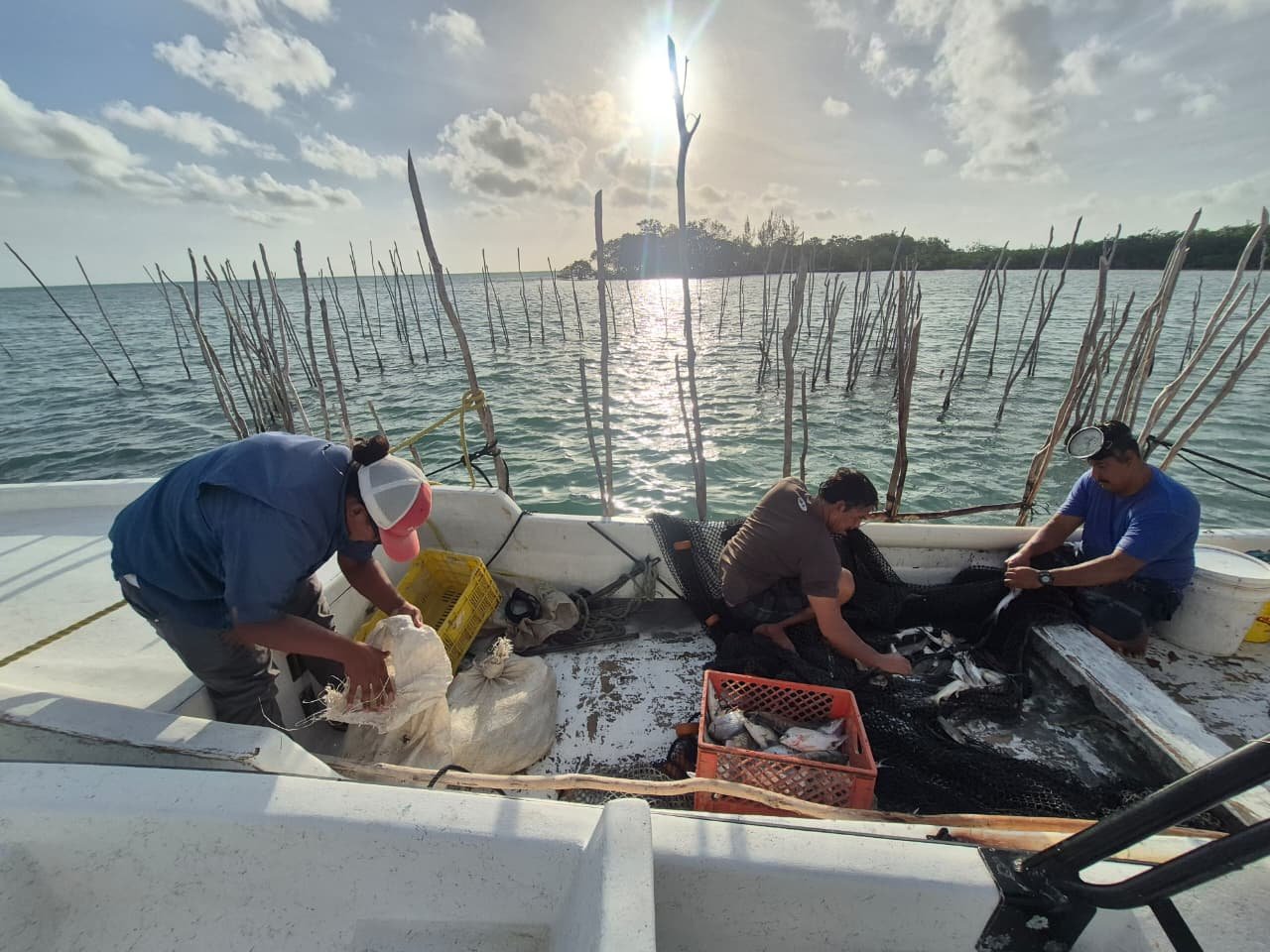
Research & Monitoring
Understanding Our Protected Areas
Research and monitoring help SACD understand the health of ecosystems, track changes over time and support conservation decisions across Corozal Bay Wildlife Sanctuary and Bacalar Chico National Park.
🔬
Research
Field-based research supports conservation and management.
📊
Monitoring
Tracking ecosystems, species and environmental changes.
👥
Community
Local knowledge strengthens conservation science.
🌊
2 Protected Areas
CBWS and BCNP.
Science for Conservation
Effective conservation begins with understanding the places we protect. Through research and long-term monitoring, SACD collects information about ecosystems, wildlife, natural resources and human activities within Corozal Bay Wildlife Sanctuary and Bacalar Chico National Park.
The information collected in the field helps us identify changes, understand emerging threats, measure conservation progress and support better protected-area management.
Monitor what is changing. Understand why. Use the information to guide conservation.
Research Across Two Protected Areas
Different ecosystems require different approaches to research and monitoring.
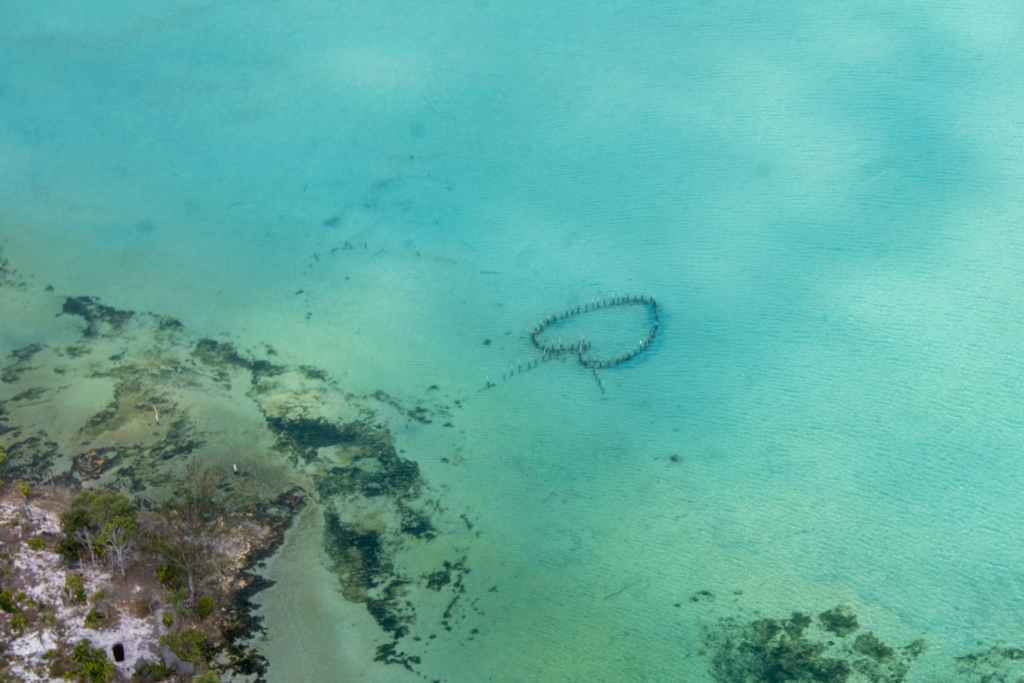
Corozal Bay Wildlife Sanctuary
Research and monitoring in CBWS help us better understand the coastal and marine ecosystems of Corozal Bay and the species and communities that depend on them.
- Marine and coastal ecosystems
- Wildlife and species observations
- Fisheries and resource use
- Water and environmental conditions
- Human activities and potential impacts
- Community knowledge and observations
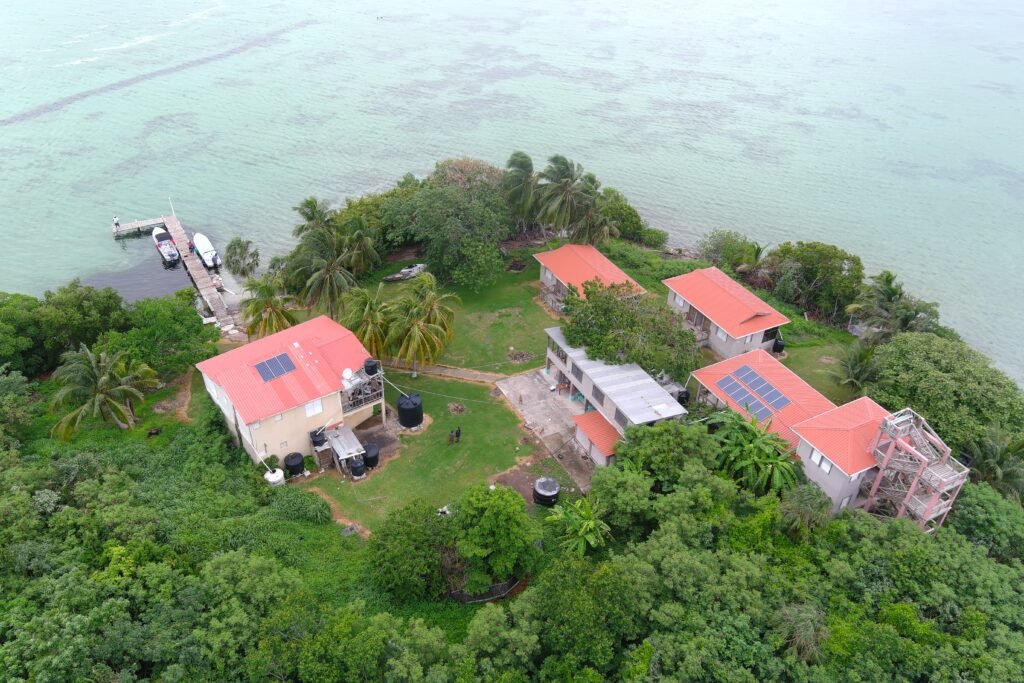
Bacalar Chico National Park
Research and monitoring at BCNP support the understanding and protection of terrestrial, coastal and marine ecosystems, including mangroves, lagoons, beaches and surrounding marine habitats.
- Mangrove and wetland ecosystems
- Marine habitats and resources
- Wildlife and biodiversity
- Coastal and environmental conditions
- Visitor and resource-use activities
- Changes within remote areas of the park
What We Monitor
Our monitoring programs help build a clearer picture of ecological and human activity across the protected areas.
🌿 Ecosystems
Mangroves, wetlands, coastal habitats, seagrass areas, coral reefs and other important ecosystems are monitored to understand their condition and changes over time.
🐢 Wildlife
Wildlife observations help document species presence, distribution, abundance and changes in populations.
🎣 Fisheries
Monitoring resource use and fishing activities helps improve understanding of fisheries and their relationship with protected-area management.
🌊 Environmental Conditions
Field observations help track environmental conditions and identify changes that may affect ecosystems and wildlife.
👣 Human Activity
Understanding how people use protected areas helps identify pressures, opportunities and management needs.
📈 Conservation Change
Long-term monitoring allows us to identify trends and evaluate whether conservation actions are making a difference.
Conservation Targets
Our conservation work is guided by a set of key species, habitats and ecological processes that are important to the health of Corozal Bay Wildlife Sanctuary. Through research, monitoring and community engagement, SACD works to understand these conservation targets and support their long-term protection.
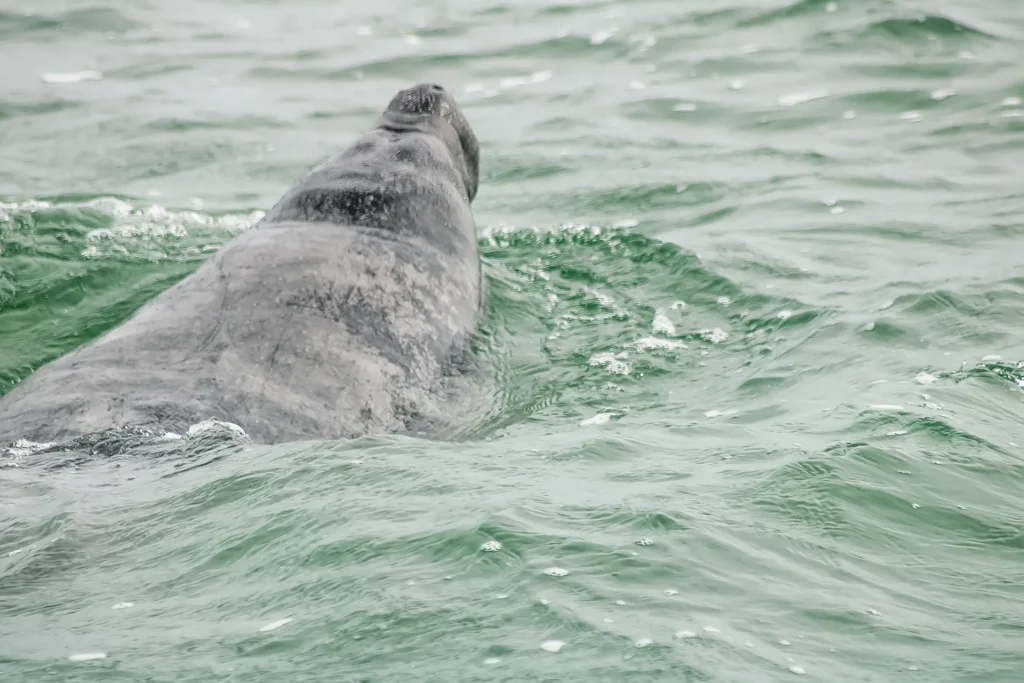
Antillean Manatee
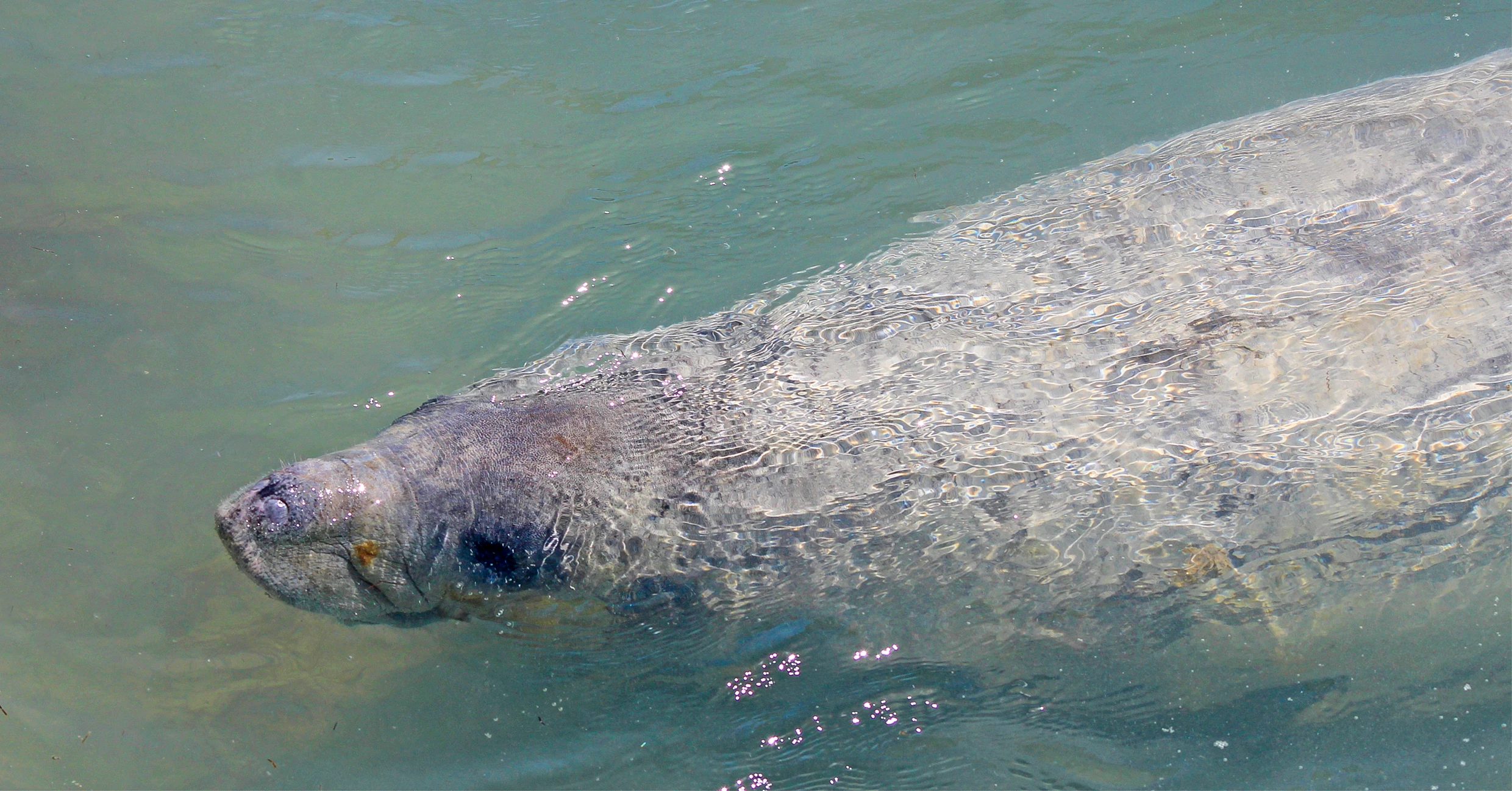
The Antillean manatee (Trichechus manatus manatus), a sub-species of the West Indian manatee, is considered endangered (IUCN, 2015), and is protected under the Belize Wildlife Protection Act (No. 4 of 1981). Corozal Bay Wildlife Sanctuary was established for its national and regional importance for maintaining the viability of Antillean manatees and is highlighted as particularly important for mating and calving (Auil, 2008).
SACD activities are focused on maintaining and improving the viability of manatees in CBWS. The population is monitored through aerial surveys, boat-based drone surveys of identified aggregation areas, and recordings of opportunistic sightings. SACD also responds to manatee stranding and distress reports in the Corozal Bay area.

Commercial Fish Species
Fishing within the Corozal Bay Wildlife Sanctuary has traditionally been practiced from generation to generation, generating income for families and providing an important protein source for stakeholder communities.
Local consultations suggest that commercial fish species are threatened by unsustainable fishing, with the disappearance of the sawfish and declines in a number of other species over the last 30 years. Beach trap fisheries have been monitored since 2011 to understand seasonal fluctuations and population trends.
Commercial fish species include:
- Yellowfin mojarra
- Striped mojarra
- Barracuda
- Snook
- Blue striped grunt
- Grey snapper
- Crevalle / Horse-eye Jack
Water Quality in CBWS
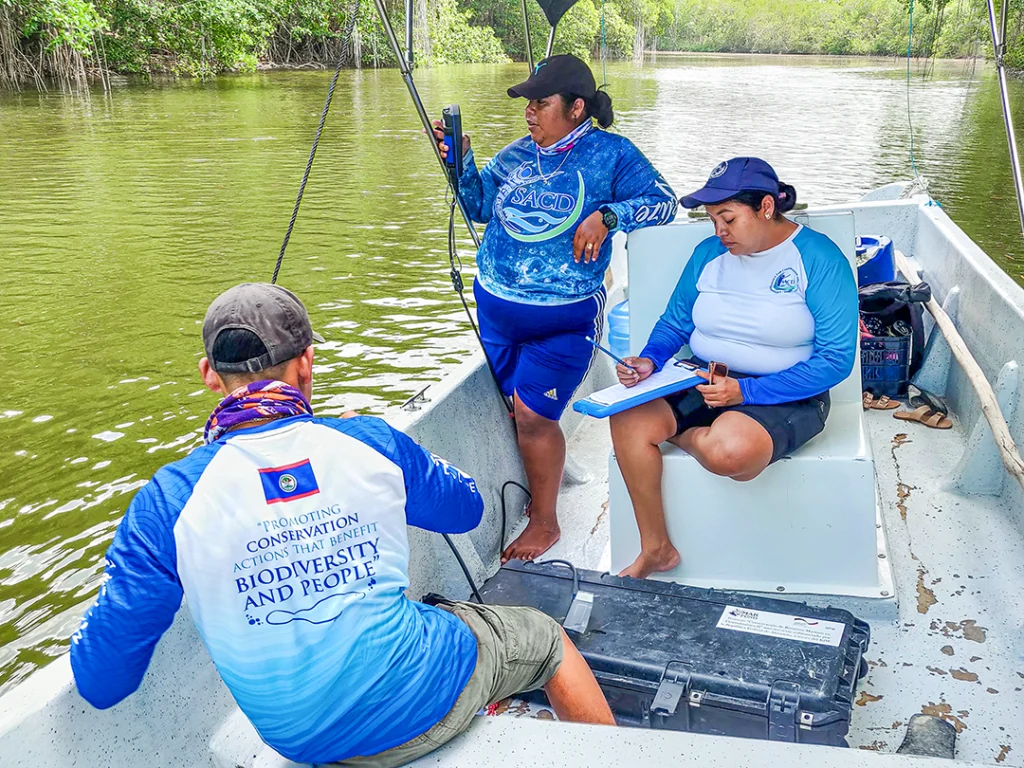
Corozal Bay Wildlife Sanctuary contains a significant portion of the largest estuarine system emptying onto the Meso-American Reef. As a transitional zone between fresh and salt water, it contains a wide variety of rapidly changing environments.
SACD implements a comprehensive water quality monitoring program to track changes in the bay and the rivers that feed it, including the Rio Hondo and Nuevo River.
Water quality parameters:
- Dissolved Oxygen
- pH (acidity)
- Turbidity
- Temperature
- Salinity
Bird Nesting Colonies
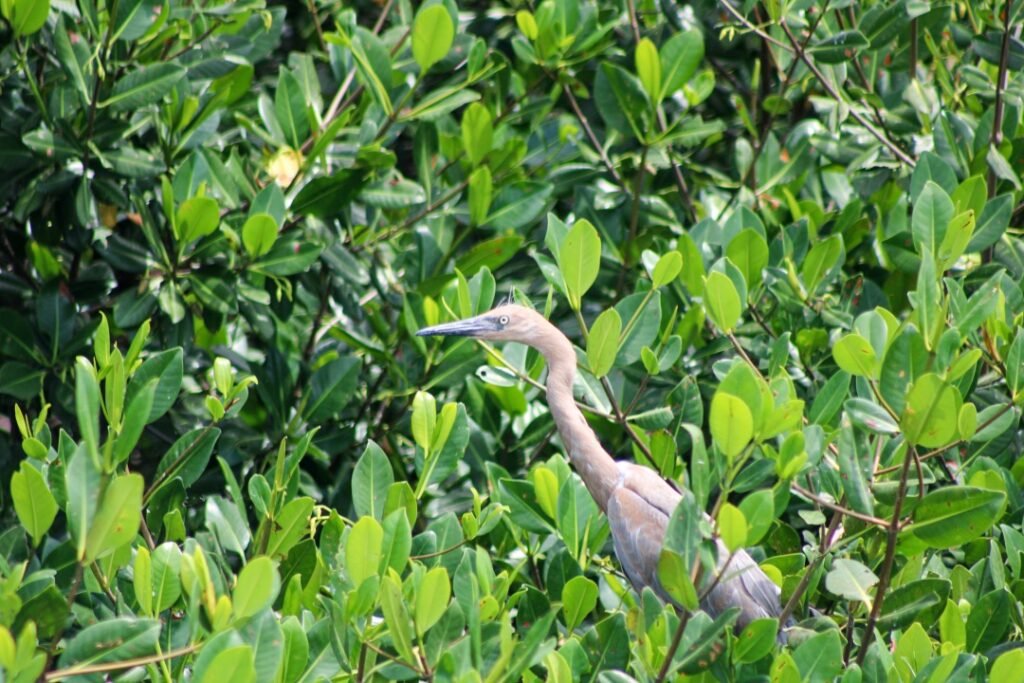
CBWS is home to coastal mangroves, littoral forest and small mangrove cayes that provide important nesting and foraging habitats for wetland birds. SACD monitors the size and nesting success of colonial nesting bird colonies.
Cayo Falso, a mangrove island west of Sarteneja, supports nesting grounds for many key species. SACD conducts monthly boat surveys and annual aerial surveys to monitor important bird nesting colonies and possible threats.
Key nesting species include:
- Magnificent frigatebirds
- Brown pelicans
- Great egrets
- Reddish egrets
- Roseate spoonbills
- White ibis
- Cormorants
- Several species of heron
Sharks & Rays
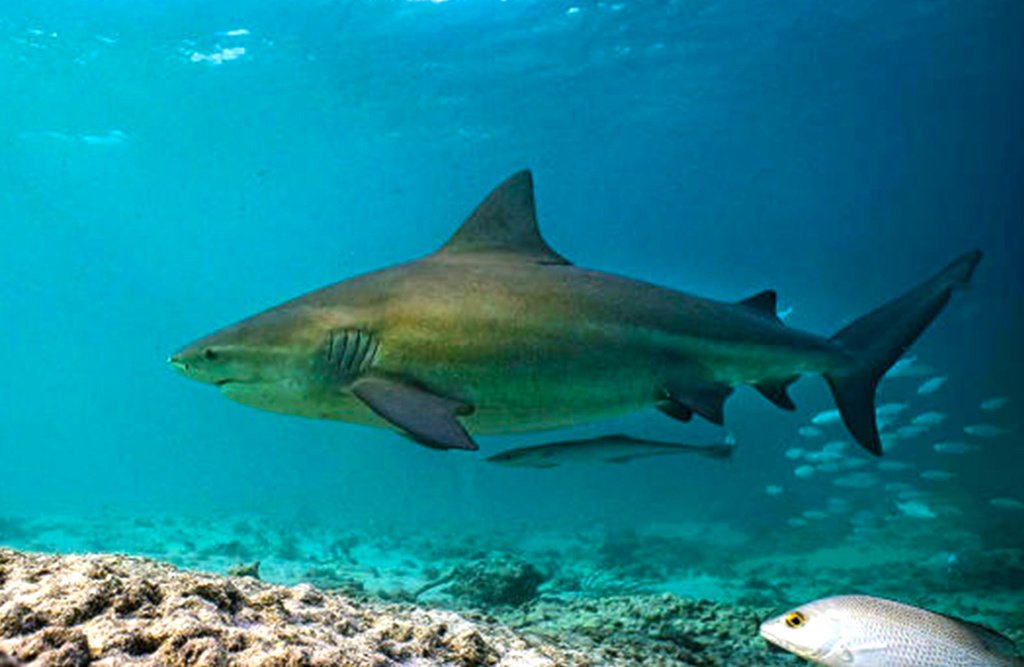
At least four shark species have been reported in CBWS, including bull sharks, blacktip sharks, nurse sharks and bonnethead sharks. The Wildlife Sanctuary is considered an important nursing and pupping area and has been identified as a documented bull shark nursery in Belize.
Several ray species are also recorded in the sanctuary, including longnose stingrays, southern stingrays and Caribbean whiptail stingrays. SACD collaborates with the Belize Shark Project and MarAlliance to improve understanding of shark and ray use of CBWS.
Mangroves
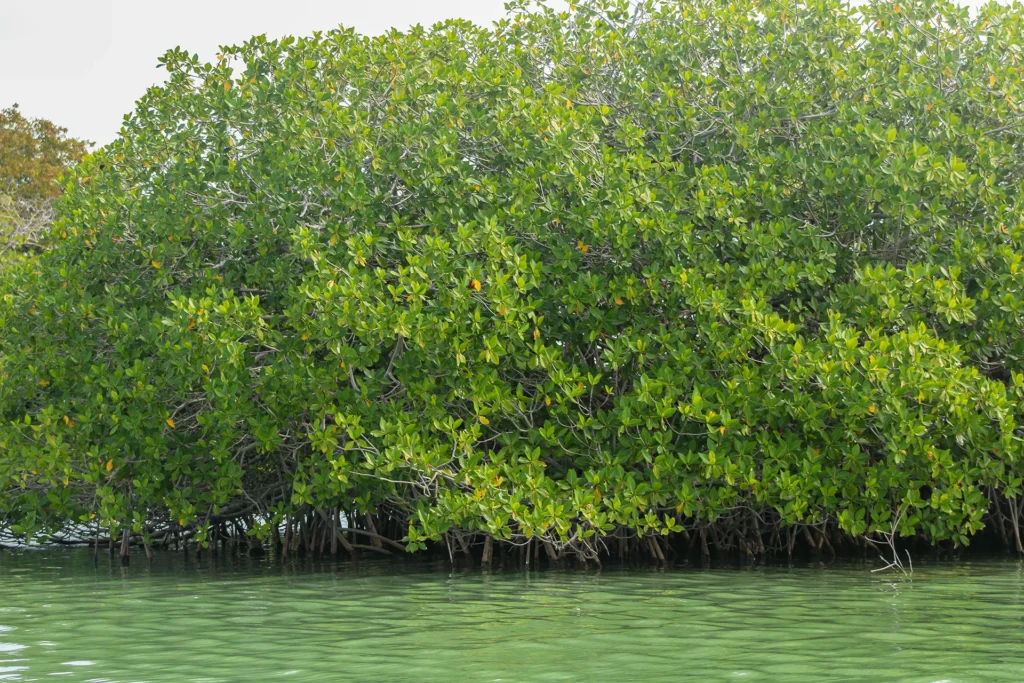
CBWS contains some of the most extensive mangrove habitats in Belize. Mangroves support birds, mammals, crustaceans and fish while providing breeding habitats, sheltered waters and important nursery areas.
Mangroves also stabilize sediments, protect shorelines from erosion and help maintain water quality by filtering suspended materials and assimilating dissolved nutrients. Baseline mapping of coastline vegetation was completed in 2011 and is regularly updated.
Mangrove species include:
- Red Mangroves
- Black Mangroves
- White Mangroves
Seagrass
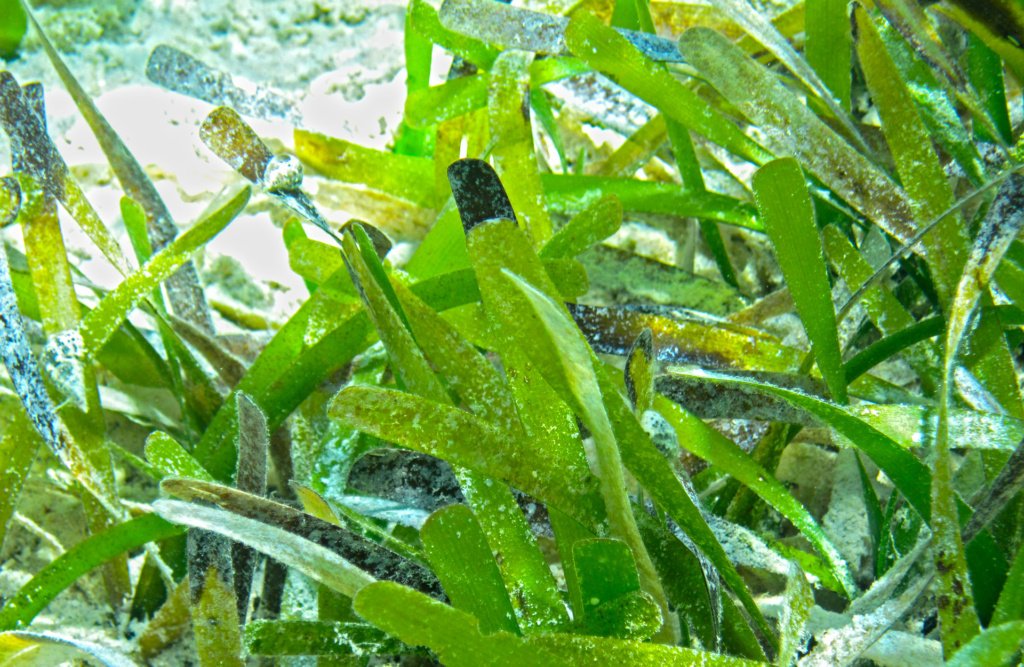
Seagrass forms the basis of an important and highly productive ecosystem, supporting traditional fishing while providing nurseries, shelter and food for commercially, recreationally and ecologically important species.
Baseline mapping of seagrass beds in CBWS provides information on habitat distribution through remote sensing and ground-truthing data.
Species of seagrass include:
- Turtle grass (Thalassia testudinum)
- Shoal grass (Halodule wrightii)
- Manatee grass (Syringodium filiforme)
Stromatolites
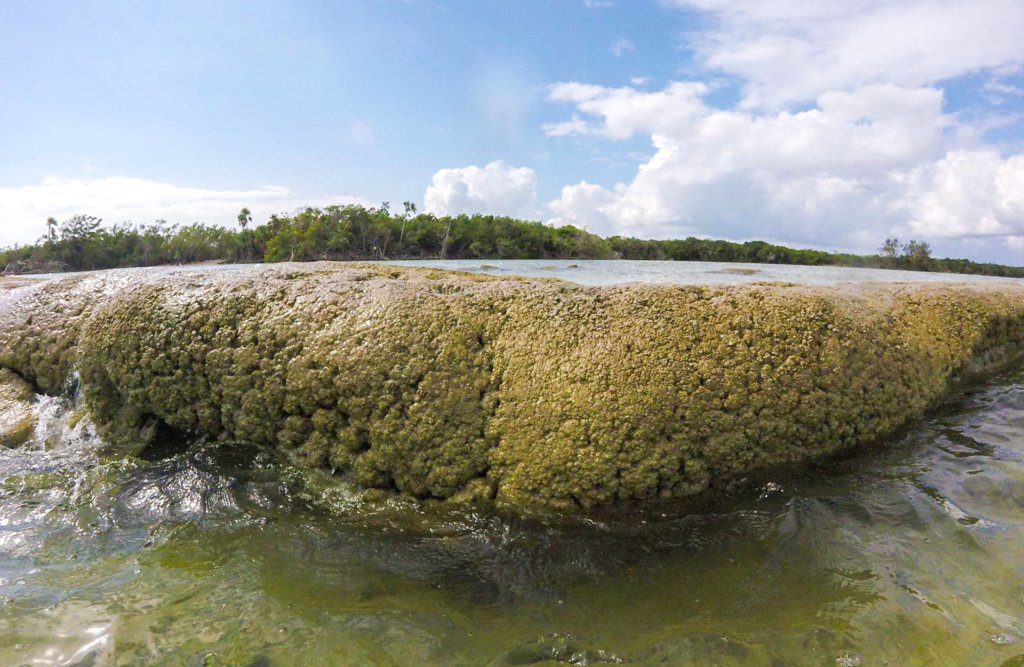
Corozal Bay Wildlife Sanctuary houses one of the few modern stromatolite reefs in the world. These rare structures are formed by cyanobacteria mats that bind together sediment and gradually build stone-like formations over time.
The presence of these rare reef structures makes CBWS globally important for their protection and continued monitoring.

From the Field to Conservation Decisions
Research and monitoring begin in the field. Rangers, researchers and community members collect observations and information that can help us understand the condition of the protected areas.
- Field observations document species, habitats and environmental conditions.
- Data collection creates information that can be compared over time.
- Monitoring helps identify changes and emerging conservation concerns.
- Analysis helps turn field observations into useful information.
- Management decisions can then be informed by evidence from the field.
Community Researchers
Conservation is stronger when the people who know and depend on these ecosystems are part of the research.
SACD works with community members to support the collection of information from the places where people live, work and interact with natural resources. Community Researchers help connect scientific monitoring with local knowledge and everyday observations.
Local Observations
Community Researchers contribute observations from the areas and environments they know best.
Local Knowledge
Their knowledge of local waters, wildlife and resource-use patterns can provide valuable context for conservation research.
Shared Conservation
Community participation creates greater ownership of conservation and strengthens relationships between protected areas and surrounding communities.
Community Researchers in Action
Species Observations
Recording sightings and observations of wildlife and other species encountered in local environments.
Fisheries Knowledge
Sharing observations about fisheries, fishing grounds, species and changes noticed through regular interaction with the environment.
Environmental Changes
Identifying changes in habitats, wildlife, water conditions and other environmental factors.
How We Monitor
Our monitoring combines field-based observations, structured data collection and collaboration with researchers and communities.
1
Observe
Field teams and community members observe species, habitats, environmental conditions and human activities.
2
Record
Observations are documented and organized so that information can be compared and used over time.
3
Analyze
Information is reviewed to identify patterns, trends, changes and areas requiring further attention.
4
Apply
Findings help inform conservation planning, management actions and future monitoring.
Research Partnerships
Conservation research is strengthened through collaboration. SACD works with researchers, academic institutions, conservation organizations, government agencies and local communities to improve understanding of northern Belize’s protected areas.
- Collaborative field research
- Ecological monitoring
- Species and habitat assessments
- Community-based research
- Data collection and sharing
- Student and academic research
- Conservation planning and management
Why Research & Monitoring Matter
Understand Change
Long-term information helps identify ecological changes and emerging pressures.
Guide Management
Evidence from monitoring supports management planning and helps prioritize conservation actions.
Measure Progress
Monitoring provides a way to evaluate conservation efforts and build knowledge over time.
Where Science Meets Community
Research does not happen separately from the people and communities connected to these protected areas. Community Researchers bring local experience, observations and knowledge into conservation monitoring.
This approach helps create a stronger connection between scientific information and the realities experienced by people who interact with the environment every day.
Research gives us information. Communities give that information context.
Every Observation Matters
From a wildlife sighting to a change in habitat, information collected in the field can contribute to a larger understanding of the protected areas.
Observe. Record. Learn. Conserve.
From Data to Action
Research and monitoring are not ends in themselves. The information collected helps strengthen conservation action.
Better Understanding
Building knowledge about ecosystems, species and resource use.
Stronger Management
Using evidence to guide protected-area planning and management.
Long-Term Conservation
Creating a stronger knowledge base for future conservation decisions.
Knowledge for the Future
The protected areas of northern Belize are constantly changing. Continued research and monitoring allow us to learn from those changes, strengthen management and make more informed conservation decisions.
Research today helps protect Belize’s natural heritage tomorrow.