
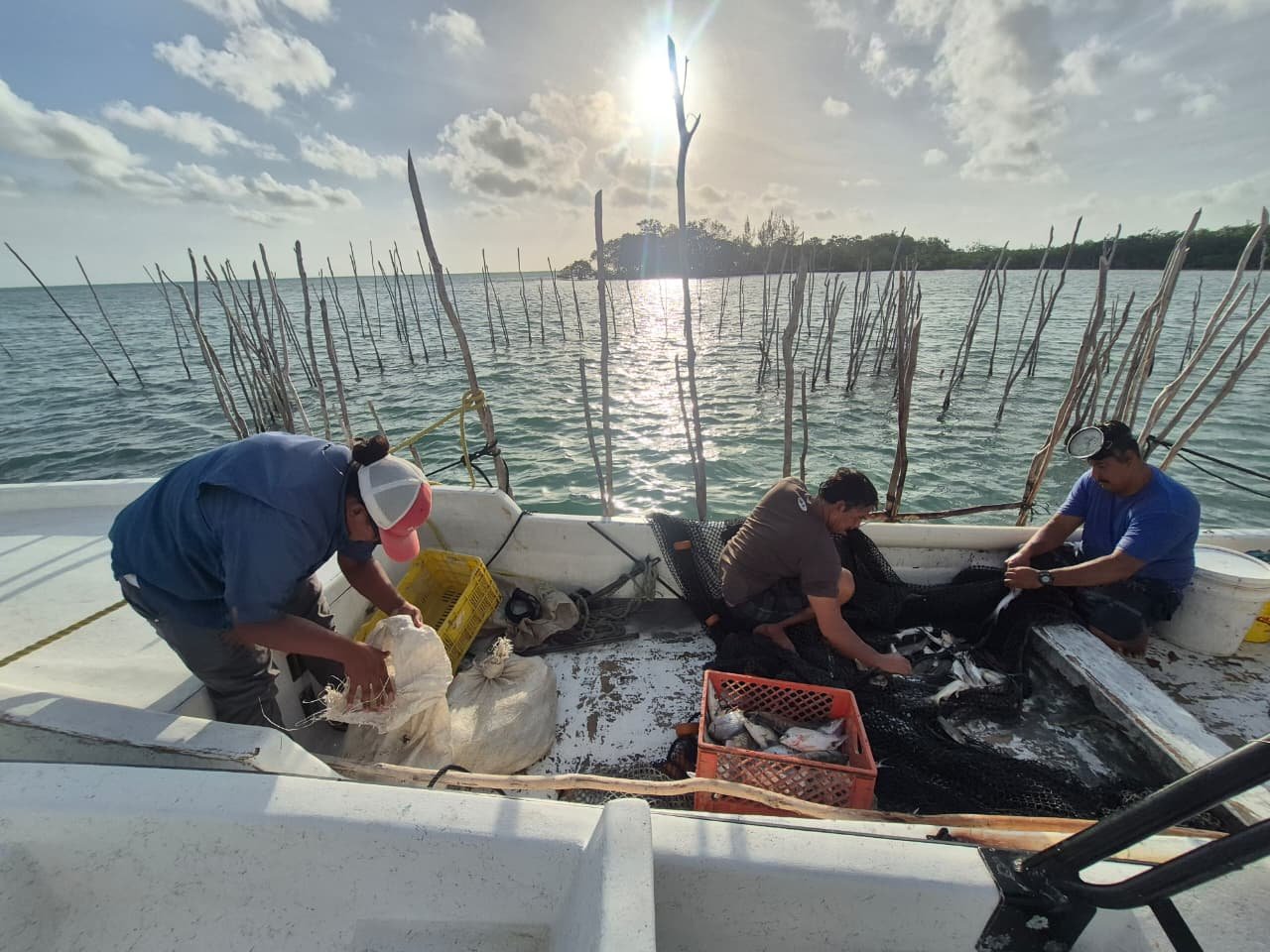
Surveillance & Enforcement
Protecting Northern Belize’s Protected Areas
Through regular patrols, monitoring, enforcement and collaboration, SACD works to protect the natural resources and communities connected to Corozal Bay Wildlife Sanctuary and Bacalar Chico National Park & Marine Reserve.
🛥️
250 Patrols
Combined 2025 patrols.
🧭
18,031 km
Area covered through patrols in 2025.
🔎
34 Inspections
Vessels inspected in 2025.
🌊
2 Protected Areas
Corozal Bay Wildlife Sanctuary & Bacalar Chico National Park.
Protecting More Than a Place
Surveillance and enforcement are essential to protecting Belize’s protected areas. Our rangers work in coastal waters, wetlands, beaches, islands and surrounding communities to monitor activities and respond to threats to natural resources.
The work combines routine patrols, inspections, incident response, monitoring, community engagement and collaboration with partner agencies.
Our goal is simple: protect the resources today so they remain available for future generations.
Our Protected Areas
Two protected areas. One shared responsibility to safeguard Belize’s natural heritage.
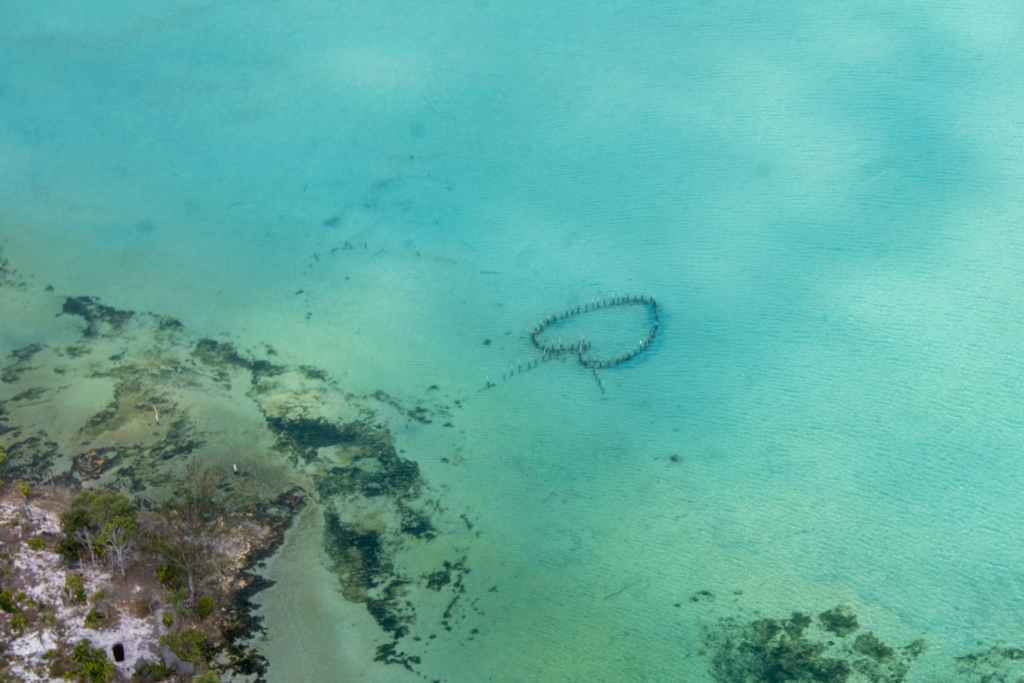
Corozal Bay Wildlife Sanctuary
Corozal Bay Wildlife Sanctuary protects important coastal and marine ecosystems in northern Belize. Surveillance activities help monitor resource use, vessel activity, beach-trap fishing, wildlife and other activities within the sanctuary.
2025 highlights:
- 167 routine day patrols
- 15 beach-trap inspections
- 20 night and overnight patrols
- 6 transboundary patrols
- 11 incident responses
- 5 joint patrols
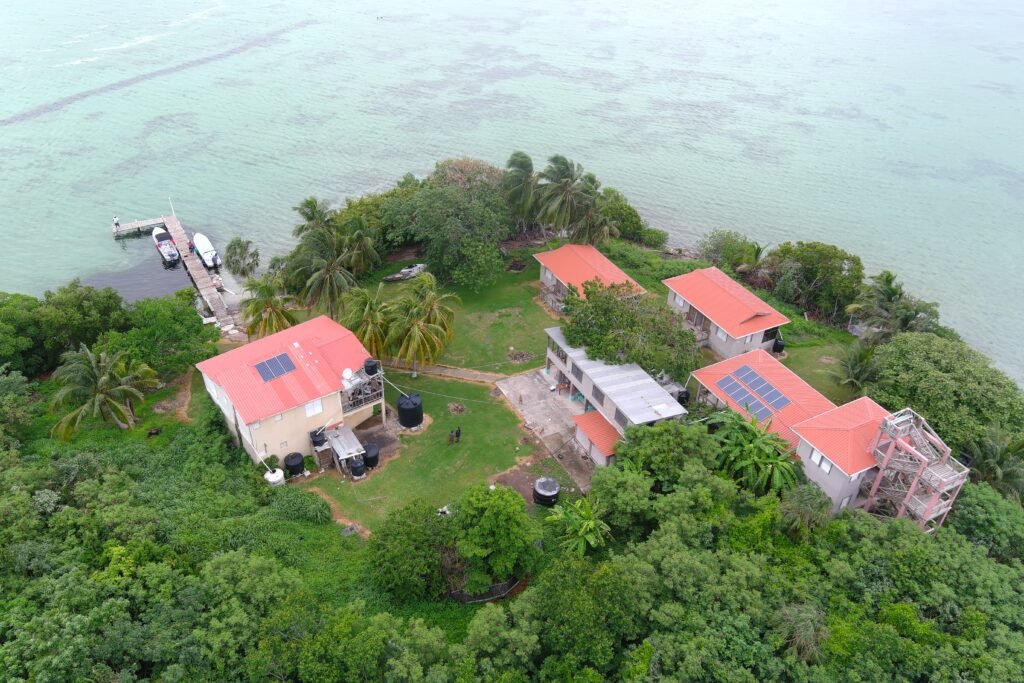
Bacalar Chico National Park
Bacalar Chico encompasses important terrestrial, coastal and marine ecosystems. Ranger patrols help monitor remote areas, marine resources, visitor activities, fishing activities and potential threats to the protected area.
2025 highlights:
- 117 boat patrols
- 16 foot patrols
- 126 patrol days
- 461 patrol hours
- 17 joint patrols with partner agencies
- Approximately 4,520 km covered by boat patrols
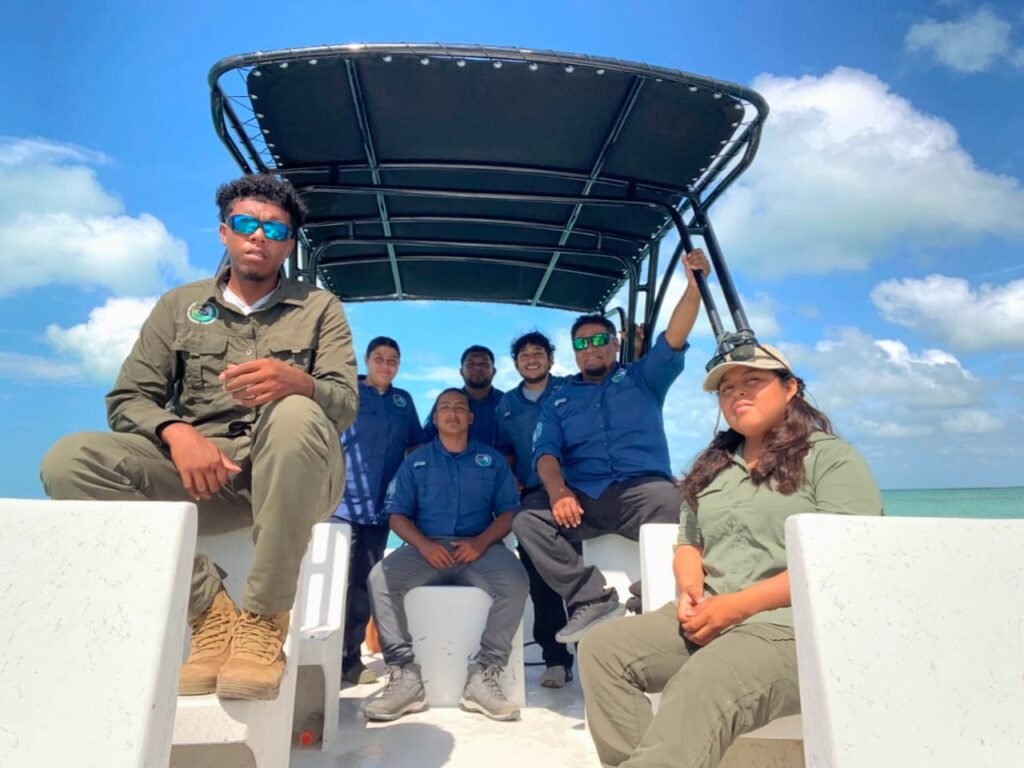
What Our Rangers Do
Our rangers are the eyes and ears of the protected areas. Their work extends beyond simply patrolling boundaries.
- Routine patrols to monitor activities and resource use.
- Night patrols to identify activities that may not be visible during the day.
- Vessel inspections to monitor compliance.
- Beach-trap inspections and monitoring of fishing activities.
- Incident response when potential violations or environmental concerns are reported.
- Wildlife observations that contribute to conservation monitoring.
- Joint patrols with government agencies and conservation partners.
A Year of Patrols & Monitoring
Surveillance is continuous work. Different patrol approaches allow rangers to respond to different conditions and threats.
Day Patrols
Regular daytime patrols allow rangers to monitor fishing, boating, wildlife and other activities across the protected areas.
Night Patrols
Night and overnight patrols extend surveillance beyond daylight hours and help identify activities that require additional monitoring.
Joint Patrols
Working alongside partner agencies strengthens enforcement, improves coordination and extends our collective reach.
Monitoring the Protected Areas
Patrols provide more than a presence on the water or in the field. They also generate information that helps us understand what is happening across the protected areas.
📍 Patrol Data
Patrol routes, locations and observations help identify areas requiring greater attention and support more effective planning.
🐢 Wildlife Observations
Wildlife sightings and environmental observations collected during patrols contribute to broader research and conservation efforts.
⚠️ Incident Monitoring
Incidents and potential violations are documented so that appropriate follow-up, enforcement and management responses can take place.
Working Together
Effective conservation and enforcement cannot happen alone. SACD works with government agencies, conservation organizations, researchers and local partners to strengthen protection across northern Belize.
- Fisheries Department
- Forest Department
- Belize Coast Guard
- Belize Police Department
- Hol Chan Marine Reserve
- MarAlliance
- University of Belize
- Partners across the Belize–Mexico border
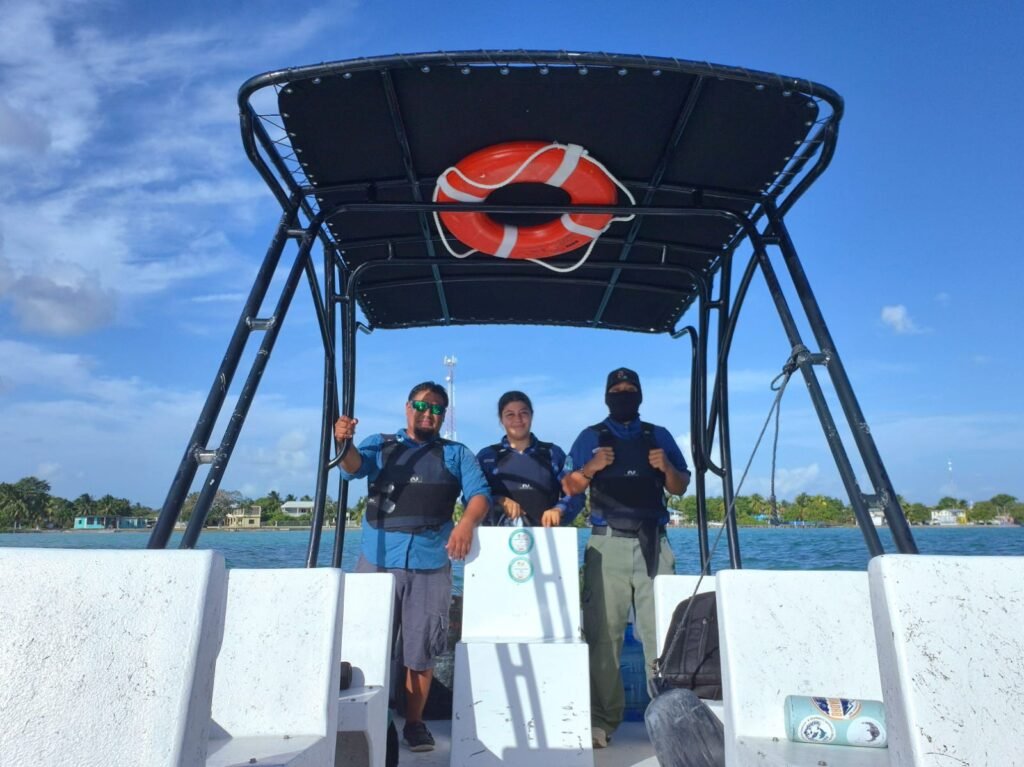
2025 Enforcement Highlights
Surveillance activities also helped identify and respond to activities that could negatively affect protected-area resources.
Compliance Monitoring
Vessel inspections and patrol observations help monitor compliance with protected-area regulations and fishing requirements.
Resource Protection
Patrols helped identify and remove unattended fishing gear and respond to activities that could threaten marine resources.
Incident Response
Rangers responded to reported incidents and documented observations requiring follow-up and management attention.
Conservation Through Presence
Every patrol represents more than kilometres travelled. It represents a commitment to maintaining a presence in the protected areas, understanding what is happening on the ground and water, and responding when protection is needed.
Surveillance also provides the information needed to improve management, guide research and strengthen conservation decisions.
Monitor. Respond. Protect. Conserve.
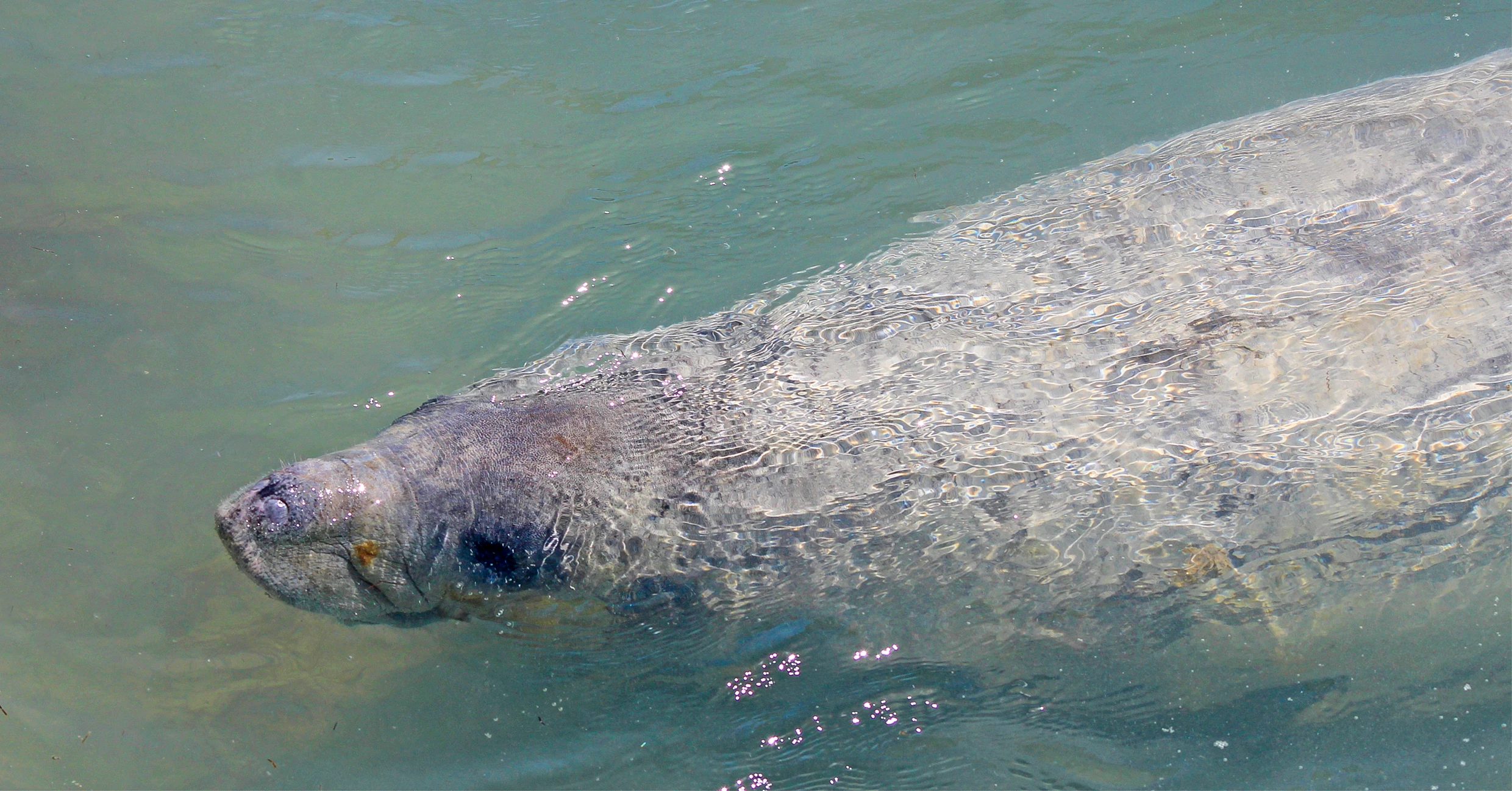
Protecting Today. Conserving for Tomorrow.
The work of our rangers helps protect the wildlife, habitats and natural resources that make northern Belize unique.
Our protected areas need a presence. Our rangers provide it.
Support Conservation in Northern Belize
Strong protected-area management depends on people, equipment, partnerships and continued support. SACD remains committed to strengthening surveillance and enforcement across the protected areas we manage.